Lost in Translation? Why American Fans Are Watching Japanese Adult Content Without Skipping a Word
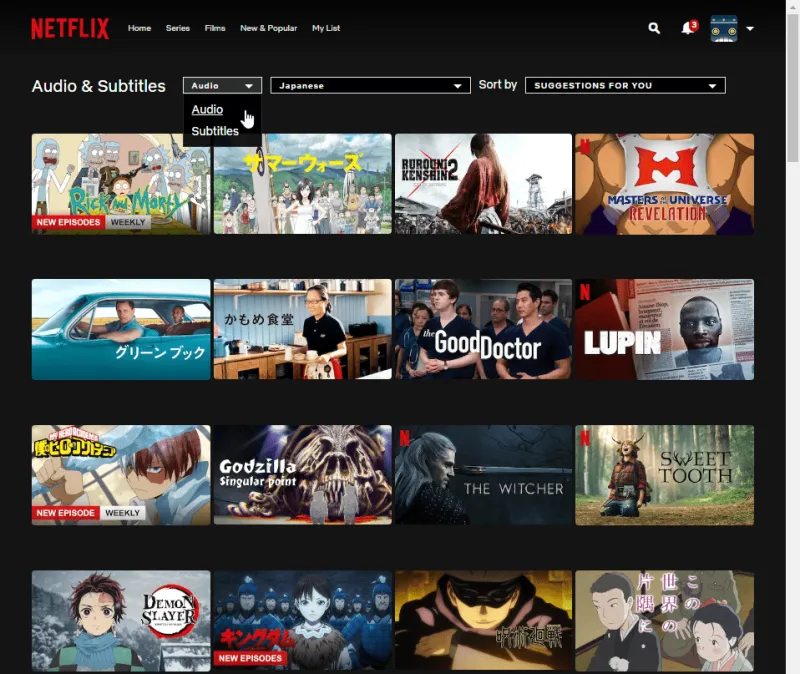
Photo: Japanese cinema subtitles streaming screen technology, via www.britvsjapan.com
There's a moment every new viewer of Japanese adult video describes the same way — that split second where you notice the subtitles, maybe feel a flicker of hesitation, and then completely forget they're even there. Ten minutes in, you're not reading. You're watching. And that shift, subtle as it sounds, is basically the entire story of how Japanese adult content broke into the American mainstream.
For years, the conventional wisdom in adult entertainment circles held that language was a hard ceiling for international content. American audiences, the thinking went, didn't want to read their porn. It was a reasonable assumption — one backed by decades of dubbing culture in mainstream Hollywood and the historically modest performance of foreign-language content on US platforms. But Japanese adult video has spent the last several years quietly dismantling that assumption, one streaming session at a time.
The Subtitle Revolution Nobody Saw Coming
Ask anyone who works on localization for a major JAV streaming platform and they'll tell you the same thing: the quality of subtitles matters enormously, and the industry figured that out later than it should have.
Early subtitle work for Japanese adult content in the US market was, frankly, rough. Machine translations produced awkward, sometimes baffling text that pulled viewers right out of the experience. Timing was off. Cultural nuances got flattened into clunky English that didn't sound like anything a real person would say. The result was content that felt foreign in a bad way — distancing rather than inviting.
The pivot happened gradually, driven partly by fan communities who started producing their own translations and setting a higher bar. Dedicated subtitle groups emerged online, treating localization as a craft rather than a checkbox. Platforms noticed the engagement difference between well-subtitled content and the old machine-translated stuff. The numbers didn't lie — better subtitles meant longer watch times, more return visits, and stronger subscriber retention.
Today, the leading JAV streaming services invest real resources into subtitle quality. That means human translators who understand not just Japanese but the specific register of language used in adult content — the slang, the performative dialogue, the cultural shorthand that would read as gibberish if translated literally. It's a niche skill set, and the platforms willing to pay for it have seen the payoff.
Production Value Does Half the Work
Here's something the subtitle conversation sometimes obscures: a significant portion of what makes Japanese adult content compelling to American audiences doesn't require translation at all.
JAV has long been distinguished by its production quality — careful cinematography, deliberate pacing, and a visual aesthetic that's genuinely different from the dominant styles in Western adult content. These are things viewers register immediately, before a single subtitle appears on screen. The lighting choices, the attention to setting, the way scenes are composed — these communicate something that transcends language.
Industry observers have noted that American viewers often cite production quality as their entry point into JAV. They found it through a clip, or a recommendation, or an algorithm that served them something unexpected. The visual language hooked them. The subtitles, when good, kept them.
This dynamic has reshaped how platforms think about content acquisition. The question isn't just "does this title have subtitles?" anymore — it's "does this title have subtitles and the kind of production value that justifies the localization investment?" The answer increasingly determines what gets prioritized for the US market.
Who's Actually Watching — And Why the Demographics Surprise Everyone
The audience for Japanese adult content in America is broader and more diverse than most people assume, and the data streaming platforms have accumulated over the past few years paints a genuinely interesting picture.
Young adult men between 18 and 34 remain the core demographic, consistent with adult content consumption patterns generally. But the growth is coming from unexpected places. Viewership among women has increased notably, a trend platform analysts attribute partly to the genre's reputation for depicting scenarios with more emotional context and less of the aggressive aesthetic that dominates some Western adult content categories.
Geographic spread has also surprised observers. While major metros drive volume, platforms report strong per-capita engagement from mid-sized American cities — places not traditionally associated with international content consumption. The theory floating around industry circles is that anime's massive cultural penetration into American youth culture has created a generation of viewers who are already comfortable with Japanese media, already accustomed to reading subtitles, and already curious about Japanese culture in ways that make JAV a natural extension of existing interests.
The anime pipeline is real, and platforms know it. Marketing strategies have quietly shifted to acknowledge this crossover audience without being heavy-handed about it.
Cultural Translation Beyond the Text
Subtitles handle the words. But there's a whole layer of cultural context that words alone don't capture, and the platforms doing this well have thought carefully about how to bridge that gap for American viewers.
Content curation is part of it — surfacing titles that are likely to resonate with US sensibilities before diving into content that requires deeper cultural familiarity. Introductory content, essentially. Think of it as an onboarding experience, even if nobody calls it that.
There's also the matter of performer recognition. In Japan, top JAV performers are genuine public figures with fan bases, media presence, and cultural cachet. American viewers don't arrive with that context, so platforms have begun investing in performer profiles, curated collections, and editorial content — like what you're reading right now — that helps build that familiarity. Knowing who you're watching, having some sense of their persona and career, changes the viewing experience in ways that go beyond language.
The Barrier That Wasn't
Looking back, it's worth asking why the language barrier loomed so large in industry thinking for so long. Part of the answer is probably that adult entertainment, like most media industries, tends to assume its own domestic audience's preferences are universal. American platforms built for American viewers assumed American viewing habits were fixed.
What JAV's US success has demonstrated is that audiences are more flexible than that, and that quality is its own language. When the content is good enough — visually compelling, well-produced, carefully localized — viewers adapt. They learn to read subtitles without thinking about it. They develop preferences for specific performers and studios. They become, in the truest sense, fans.
The subtitle barrier was always less about subtitles and more about whether anyone would bother to do the work of bridging the gap properly. The platforms and localizers who did that work found an audience that was already waiting.