Their Story, Their Rules: How Japanese Adult Performers Are Taking the Mic on Social Media
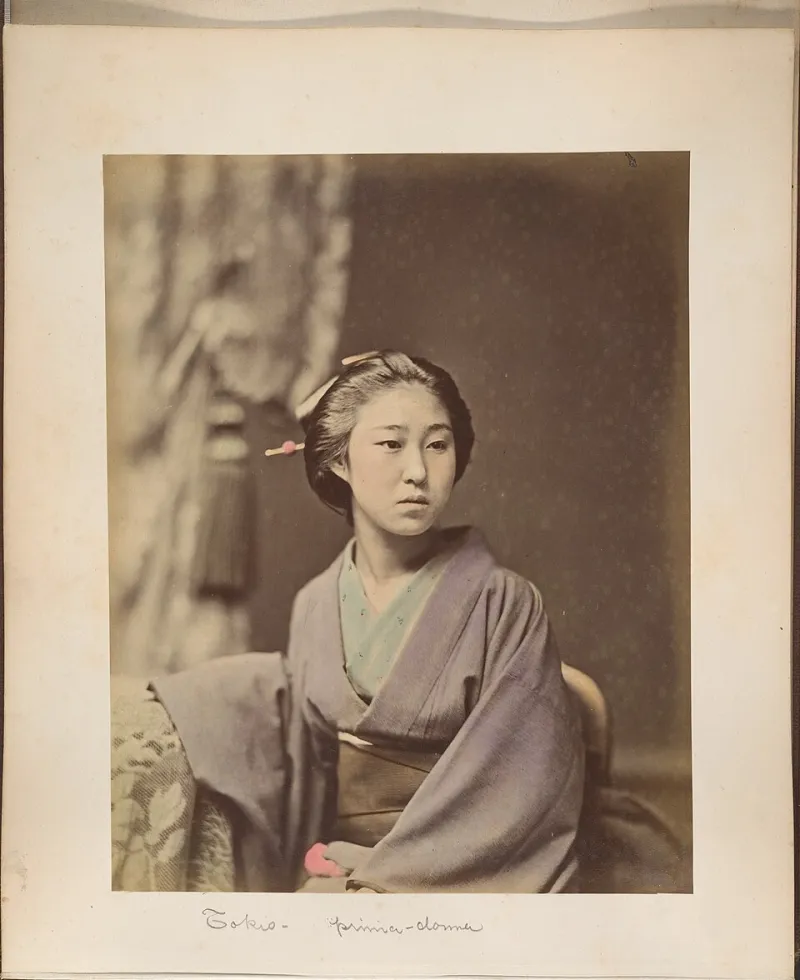
Photo: Suzuki Shin'ichi I, CC0, via Wikimedia Commons
There's a quiet revolution happening in Japanese adult entertainment, and it's not playing out on a studio lot or in a boardroom. It's happening 280 characters at a time, in Instagram Stories, in fan community posts, and in livestreams that sometimes rack up tens of thousands of viewers before breakfast in Tokyo.
For American fans who follow the JAV scene closely, the shift is hard to miss. Performers who once existed almost entirely as faces on box covers—curated, branded, and packaged by studios—are now showing up in your feed with their own voice, their own aesthetic, and their own agenda. And that changes everything.
The Old Gatekeeping Model
To understand why this matters, it helps to know what came before. Historically, Japanese adult studios operated with an enormous amount of control over their performers' public personas. Agencies and production houses managed everything from interview schedules to what a performer could and couldn't say publicly. Personal social media? Often discouraged, sometimes outright forbidden under contract terms.
The logic was straightforward from a business standpoint: studios owned the brand. A performer's name, image, and appeal were assets to be managed, not platforms for individual expression. American audiences familiar with how Hollywood talent agencies operate might recognize some of that dynamic, but the level of control in the JAV world has historically gone considerably further.
That model worked—until it didn't.
Twitter Changed the Math
Japan has always had a remarkably high Twitter adoption rate compared to the rest of the world, and the adult entertainment sector is no exception. When performers started realizing they could connect directly with fans without a studio intermediary, something clicked. A single well-received tweet could drive more genuine fan engagement than months of studio-managed promotional material.
Performers began building followings that were entirely their own. Not the studio's audience—their audience. Fans who followed because they liked that person, not just the content they appeared in. That distinction turns out to be economically significant in ways that have reshaped how some corners of the industry function.
Instagram added a visual layer to this. Performers could share glimpses of their actual lives—travel, hobbies, food, fashion—that humanized them in ways studio productions never really attempted. For American fans especially, who are often already primed by influencer culture to engage with creators as full human beings, this kind of content landed immediately.
Speaking Out and Setting the Record Straight
Beyond brand-building, social media has given performers something arguably more important: a mechanism for addressing industry conditions on their own terms.
In recent years, a number of high-profile performers have used their platforms to speak candidly about contract disputes, working conditions, and the pressures that come with the job. Some have pushed back publicly against studios or agencies they felt were misrepresenting them. Others have used their platforms to clarify misinformation that had been circulating about their careers or personal lives.
This is genuinely new territory. The power asymmetry that once made it risky for a performer to speak out has been partially offset by the leverage that comes with having 300,000 Twitter followers who are paying attention. Studios that might have once simply moved on to the next talent now have to consider the reputational cost of a public dispute with someone who has a significant direct audience.
That's not to say the playing field is level—it isn't. But it's measurably less tilted than it was a decade ago.
New Money, New Models
The economic dimension of this shift is where things get really interesting for anyone watching the industry from a business perspective. Performers with strong personal followings have been able to diversify their income in ways that were simply unavailable to previous generations.
Fan subscription platforms—the Japanese equivalents of services American audiences would recognize—have allowed performers to monetize their audience directly. Merchandise, digital content, paid livestreams, and exclusive community access have all become legitimate revenue streams that exist entirely outside the traditional studio contract structure.
For some performers, this has meant genuine financial independence for the first time. For others, it's provided leverage in contract negotiations—when you can demonstrate a large, engaged personal following, your bargaining position with a studio looks very different than it did when they held all the cards.
Some studios, to their credit, have adapted rather than fought this trend. Savvy production companies have figured out that a performer with a strong personal brand actually benefits their releases too, since that performer's audience becomes a built-in promotional channel. It's not always an adversarial relationship.
What American Fans Are Noticing
For the US audience discovering or deepening their engagement with JAV content, the social media dimension adds a layer of connection that feels familiar. American fans are used to following creators, not just consuming content—it's baked into how platforms like YouTube, TikTok, and Twitch have trained us to relate to the people whose work we enjoy.
When a JAV performer has an active Twitter presence and actually engages with international fans, it collapses a distance that the language barrier and geographic separation would otherwise create. Translation tools have gotten good enough that a lot of that content is accessible even without Japanese language skills, and many performers have started including English in some of their posts specifically to reach international audiences.
It's a feedback loop: more international engagement means more incentive to reach out internationally, which brings in more international fans, which increases that performer's leverage and independence within the industry.
The Road Ahead
None of this means the traditional studio structure is going away anytime soon. Major production houses still control significant distribution infrastructure, and the economics of full-scale production still favor established players. But the monopoly on performer narratives? That's gone, and it's not coming back.
The performers who are navigating this moment most successfully are the ones who've figured out how to work both sides—maintaining productive studio relationships while simultaneously building personal platforms that give them options. It's a tightrope walk, but the ones doing it well are redefining what a career in this industry can look like.
For fans watching from the US, it's worth paying attention to this layer of the JAV world. The content you're streaming exists within a human context, and increasingly, the people making it have found a way to make sure you know it.